
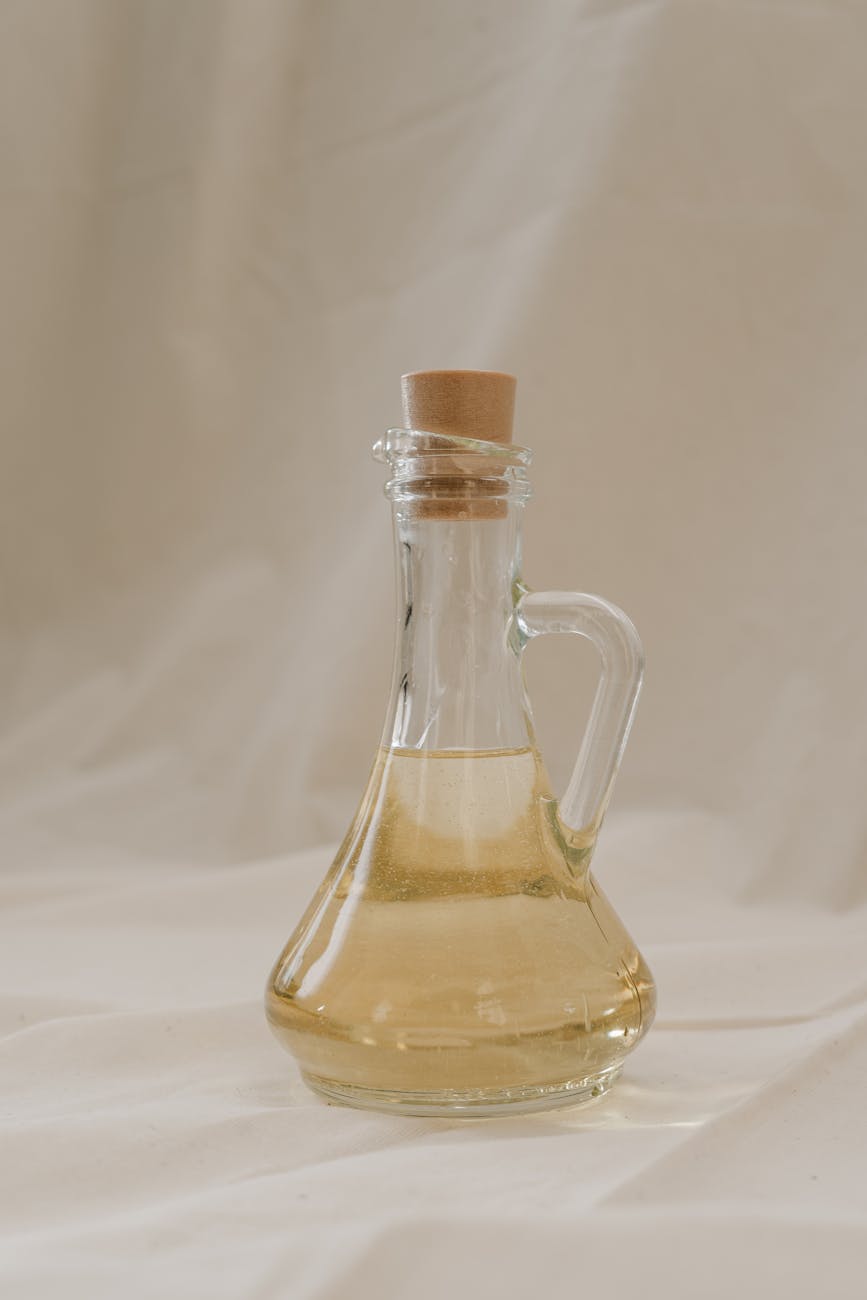

They’re in your oat milk, your salad dressing, your “healthy” protein bar—and they might just be the biggest red flag in your pantry. Let’s talk seed oils.
Wait, What Are Seed Oils?
Seed oils come from—you guessed it—seeds. Think canola, soybean, sunflower, safflower, corn, and grapeseed oil. They’re extracted using high heat and chemical solvents, then refined to make them shelf-stable and tasteless. That’s why they’re everywhere: cheap, neutral, and long-lasting.
If Whole Foods had a “toxic ex” aisle, it would be the one with seed oils on every label.
Why the Controversy?
Seed oils are high in omega-6 polyunsaturated fats. While your body needs omega-6s, most of us are getting way too much—especially in relation to omega-3s. That imbalance may drive inflammation, which has been linked to everything from heart disease to hormonal chaos to premature aging.
Plus, when seed oils are heated (which they often are in processed foods), they oxidize and produce free radicals—aka inflammatory little monsters that mess with your cells and can accelerate aging.
Critics argue that we’re unknowingly drowning in these oils—eating far more than our bodies were built for. So no, seed oils aren’t evil, but they might be that guy who seems great at first… then slowly ruins your skin, mood, and metabolism.
How Bad Are They Really?
The research isn’t black and white. Some health experts say they’re fine in moderation. Others are convinced they’re silently wreaking havoc on our health. Most of the panic comes down to the volume we’re consuming, not a single drizzle on your salad.
In other words, seed oils probably won’t kill you—but eating them all day, every day, might not be doing you any favors either.
What Should You Do?
Let’s not go full wellness warrior and throw out half your fridge. Instead, try these swaps:
1.Read your labels.
Seed oils hide in everything: almond milk, hummus, “healthy” granola. Look out for canola, sunflower, soybean, and safflower oil.
2. Cook with better oils.
Choose extra virgin olive oil, avocado oil, coconut oil, or grass-fed ghee. These are less processed and more stable when heated.
3. Don’t stress.
It’s not about fear—it’s about being informed. If your fave almond milk has sunflower oil, finish the carton and try a different brand next time.
Final Thoughts:
Seed oils aren’t the devil. But they’re not your soulmate either. Like any relationship, the key is boundaries. Less drama, more balance. Because the truth is? You deserve better—on your plate and in your pantry.